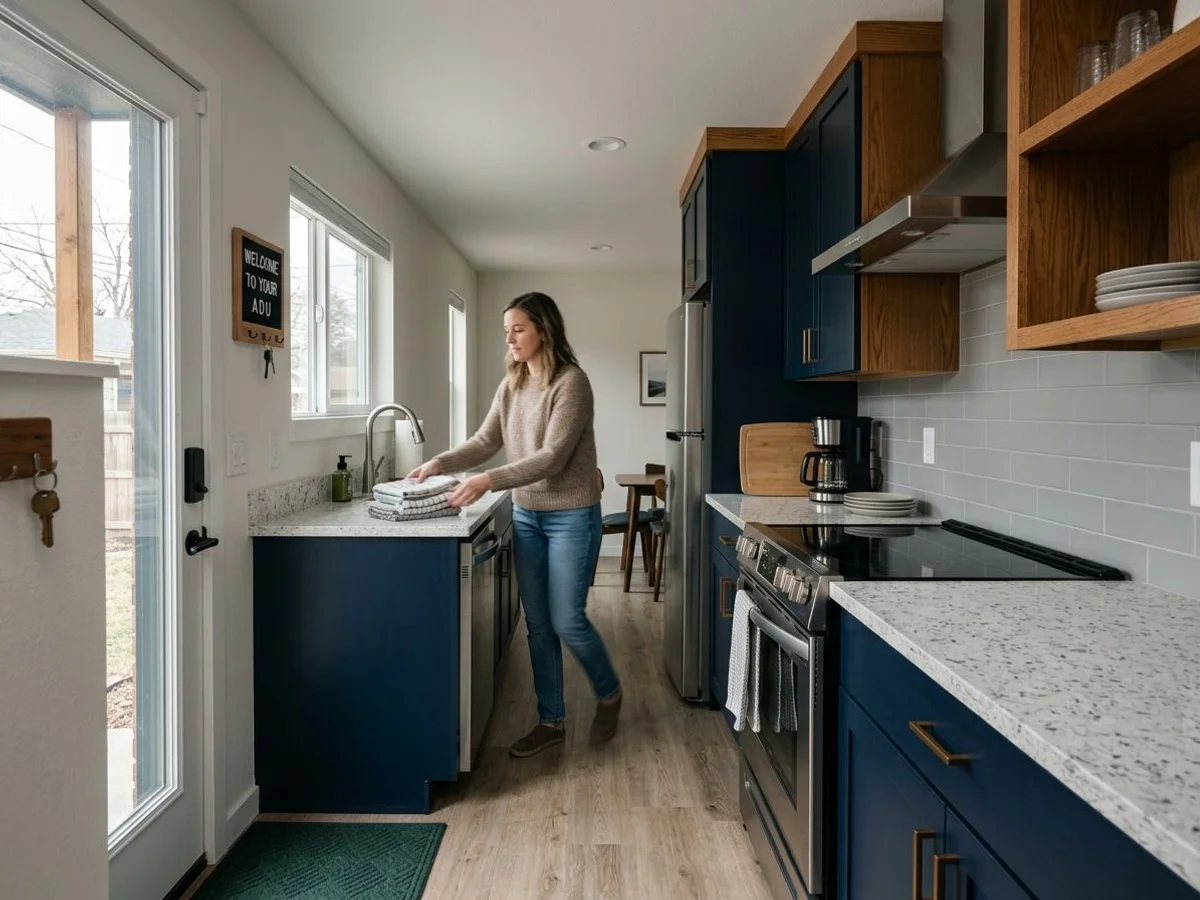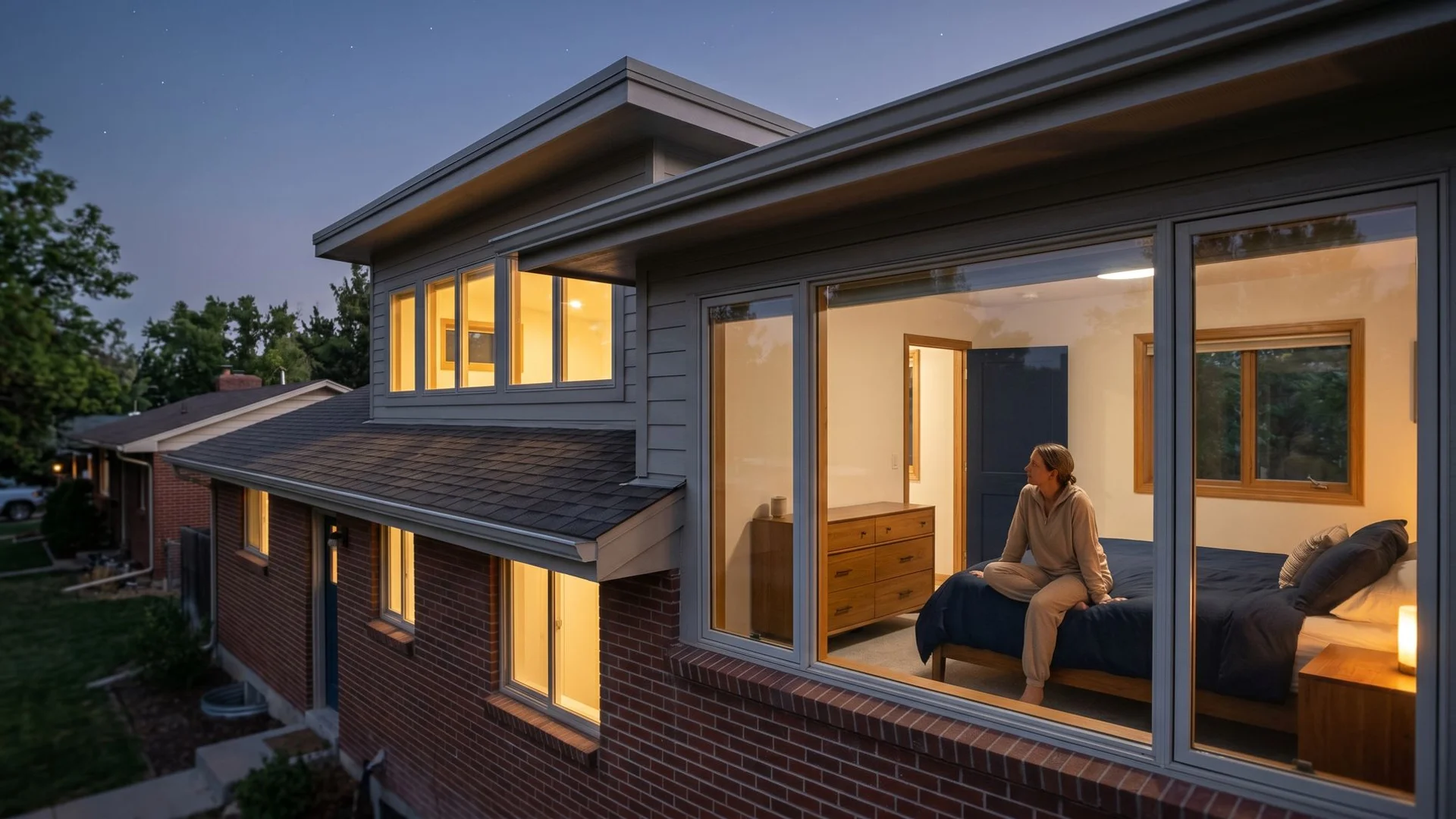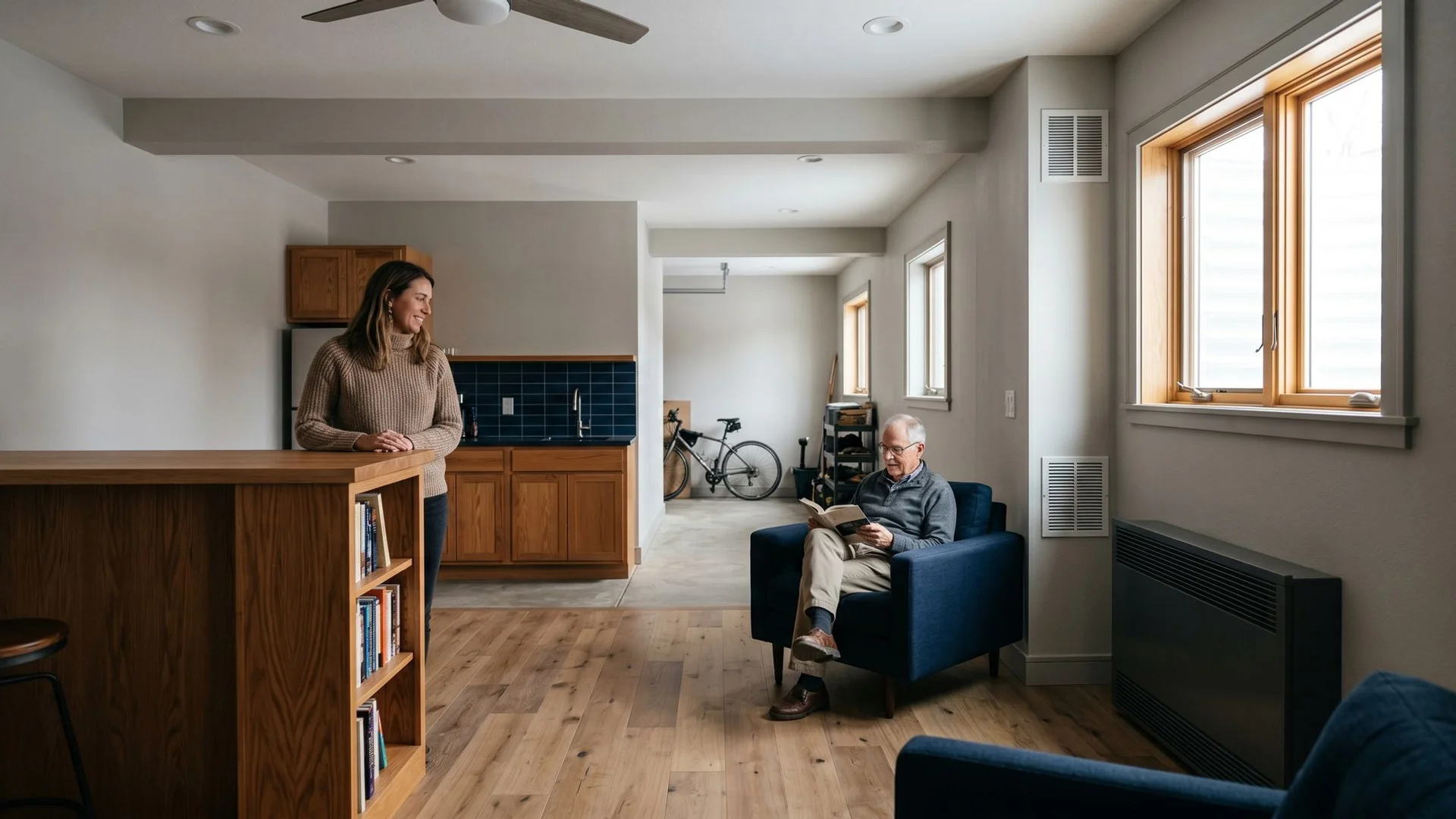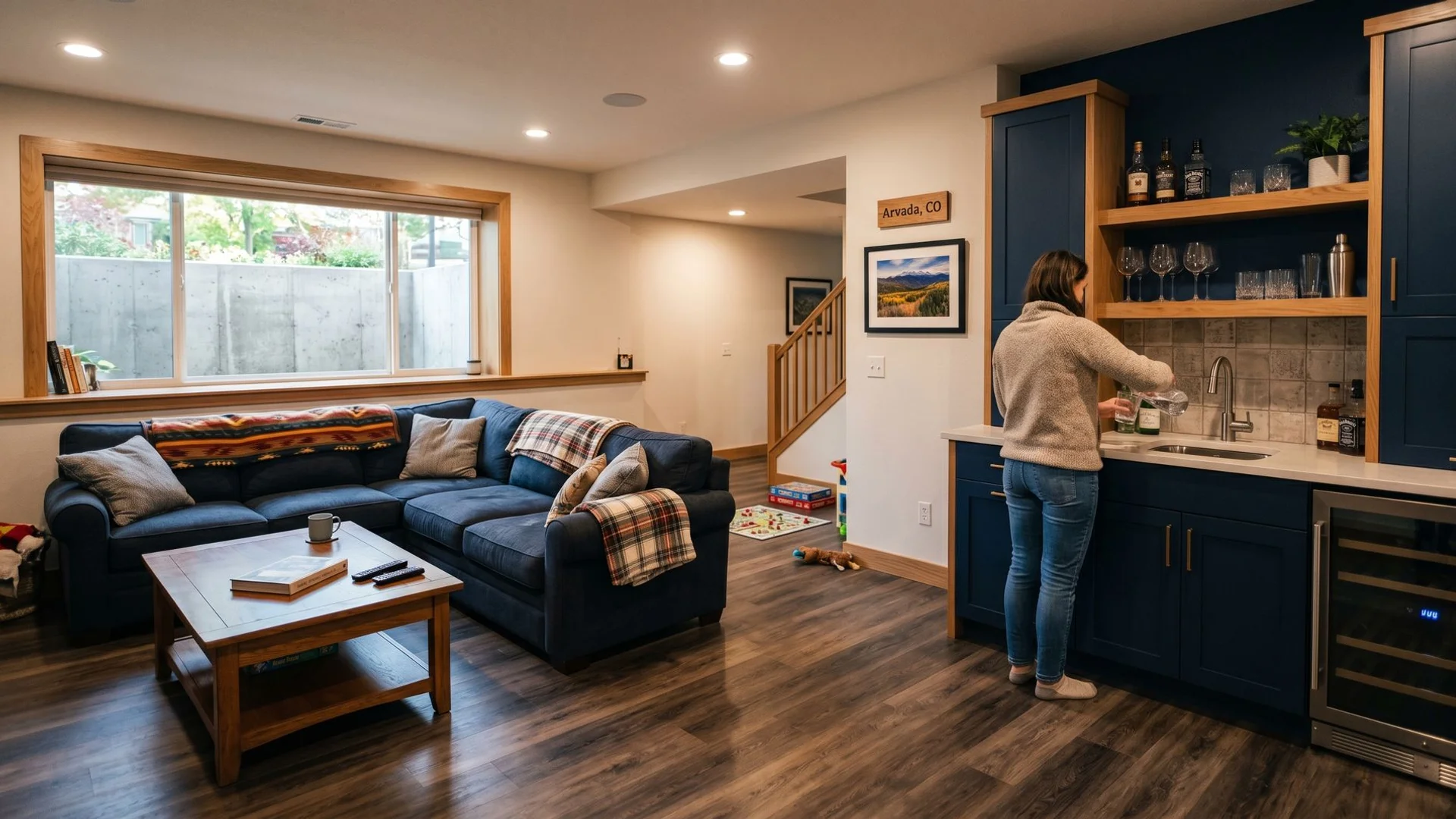
Have you ever looked at your backyard and wondered what it would take to turn that extra space into a real asset?
Here at Arvada Remodeling Pros, our team talks to homeowners every day who want a second unit, but the city permit process stops them cold.
You can actually build more than you think.
ADU Builder in Arvada: What You Can Actually Build on Your Lot
Most Arvada homeowners do not know exactly what they can build until they check the parcel data.
Our team knows that an accessory dwelling unit in Arvada can generate $1,500 to $2,500 a month in rental income, offset mortgage payments, and add long-term equity.
Getting there requires managing lot coverage ratios, setback requirements, utility connections, water tap fees, and full permitting through the City of Arvada Building Division or Jefferson County Community Development.
Colorado state law HB24-1152 completely changed the rules for local properties.
We see this new legislation creating massive opportunities, because it requires cities to allow at least one unit on single-family lots through simple administrative approval.
Your specific lot size dictates the exact square footage you can construct.
Our designers work with the city’s latest size caps, which limit units on lots under 6,000 square feet to 600 square feet of living space.
Larger lots over an acre can support a structure up to 1,200 square feet.
We handle all of it.
The specific additions built include:
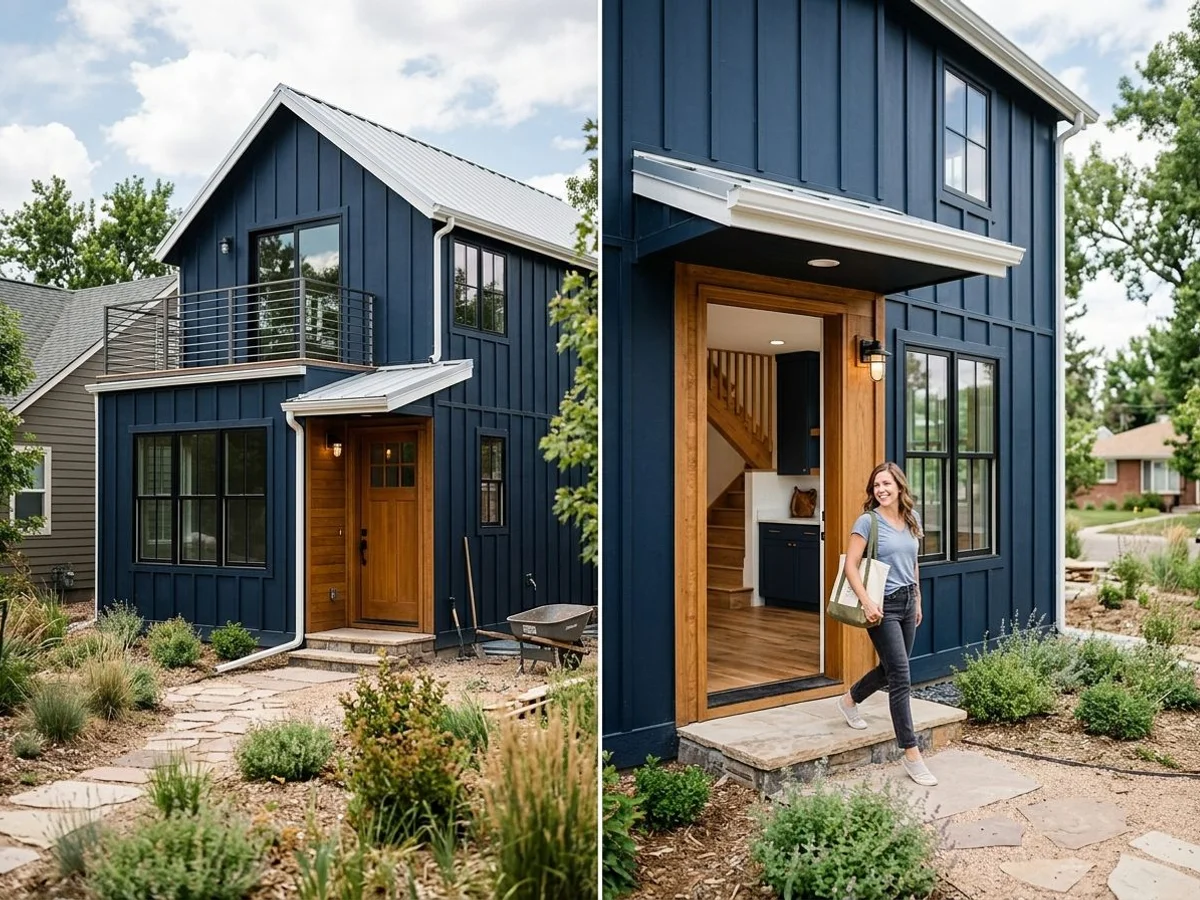
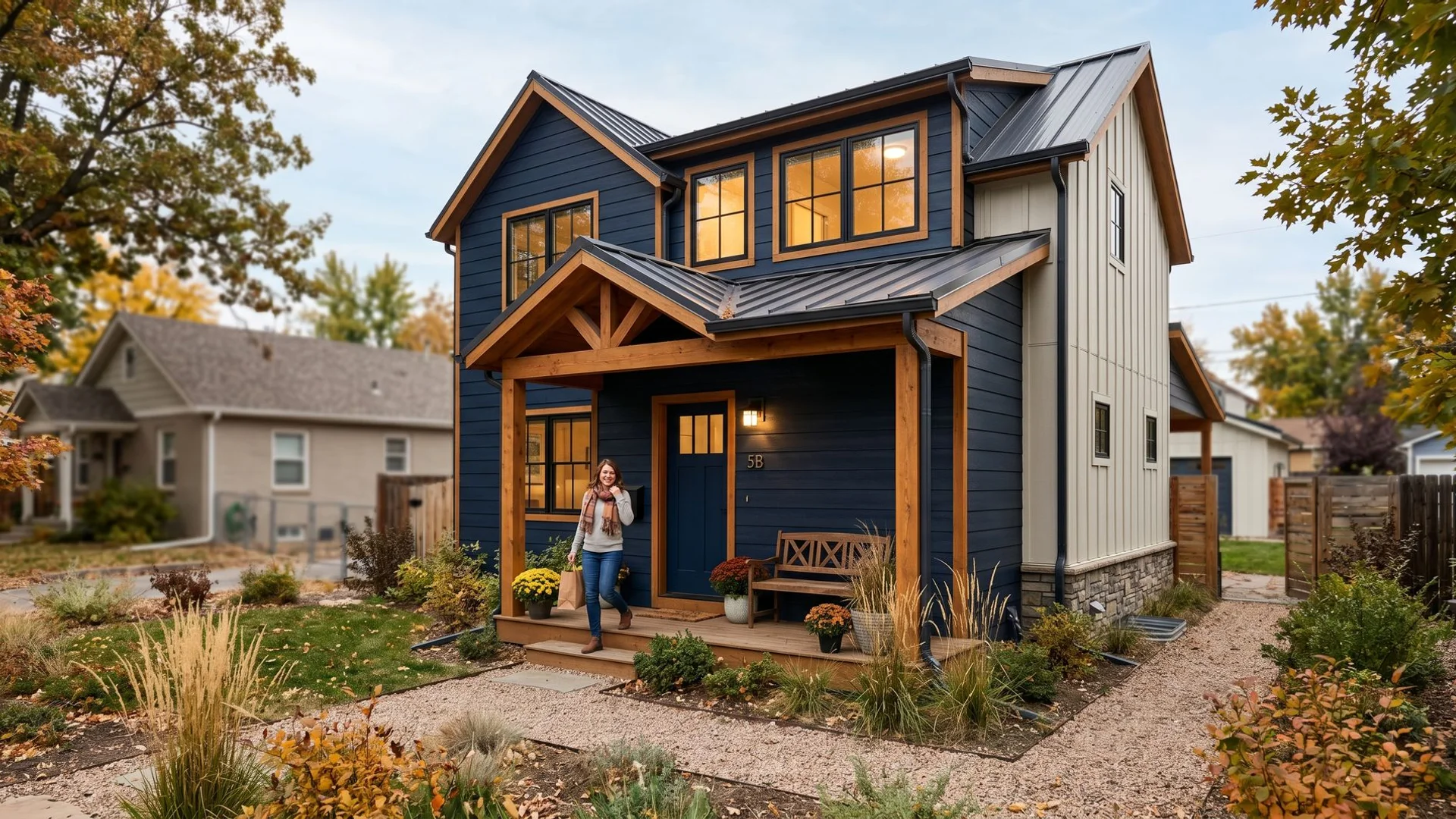
- Detached ADU (Type A): A true second dwelling that stands alone in your yard.
- Attached ADU (Type B): A separate-entrance suite tied directly to the main home.
- Garage Conversions: The most budget-friendly path to creating livable square footage.
- Basement-Conversion ADU: An excellent option when ceiling height and exterior access work out.
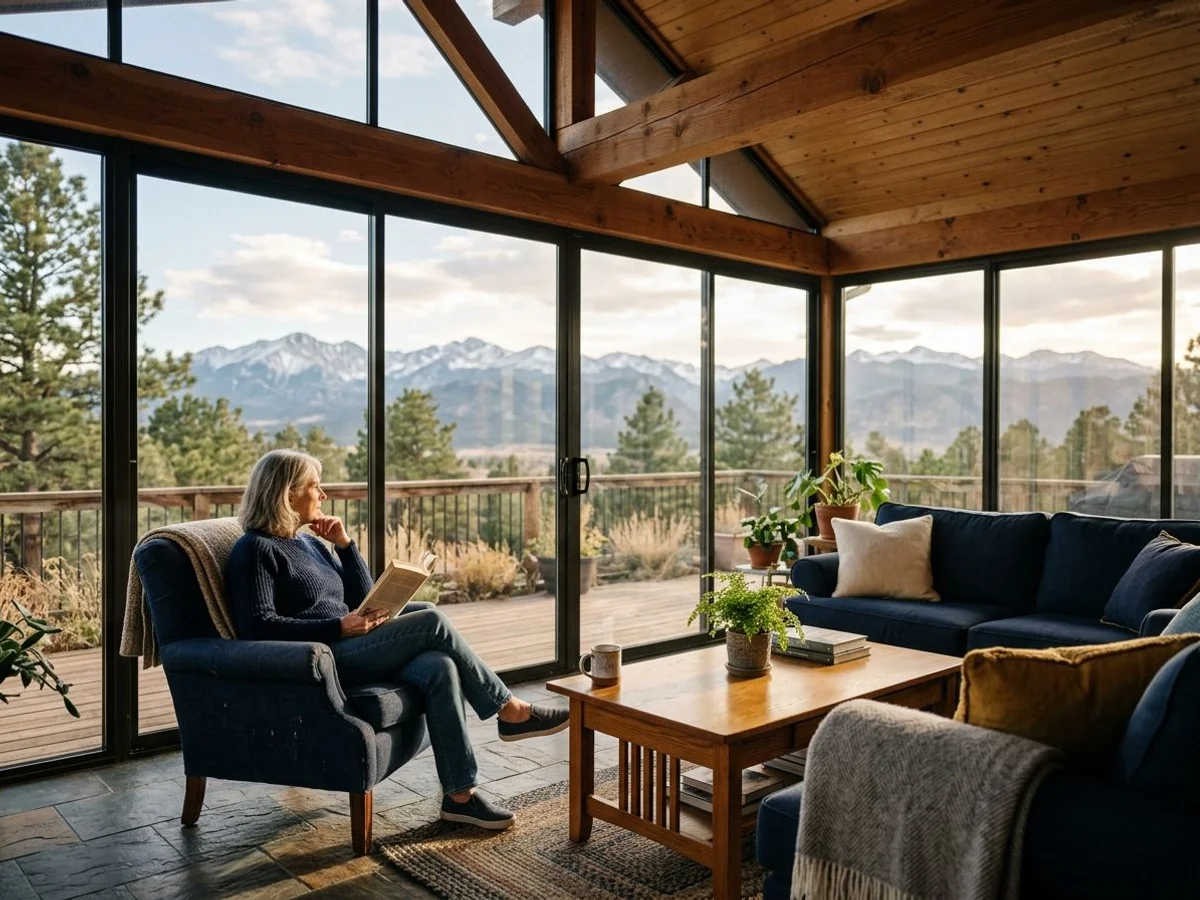
- Traditional Additions: Standard room, garage, and sunroom expansions for personal use.
Every project includes full architectural design, structural engineering stamps, permits, foundations, framing, MEP, and finish work.
The parts that stall most ADU projects
Most ADU stories that go sideways do not fail on the build itself.
They fail on the paperwork: lot coverage ratios, setbacks, separate utility meters, the parking provision, and Jefferson County Community Development coordination.
We have run all of it, and we know exactly where the hidden traps are.
Utility connections are a classic stumbling block for new builders.
Our local experience shows that the City of Arvada requires water and sanitary sewer service for a second unit to connect directly to the primary dwelling’s lines.
The city strictly forbids separate water services for these units, though fire separation and a separate HVAC system are mandatory.
We plan for these exact specifications from day one so you never fail an inspection.
Setbacks and size limits also catch people off guard.
Our architects always verify your corner lot status, because Type A detached units must be set back at least 10 feet behind the main home’s facade in those locations.
Attached Type B units are strictly limited to 50% of the floor area of your primary home.
At the consultation, we pull your parcel data, run the basic feasibility, and tell you what’s possible.
Pro Tip: Do not assume a massive budget is needed for new utility taps. Since Arvada requires tying into the primary home’s water and sewer lines, homeowners save significantly on system development charges compared to building a standalone home.
Income, equity, and family: pick your goal
ADUs in the Denver metro commonly generate $1,500 to $2,500 per month in rental income.
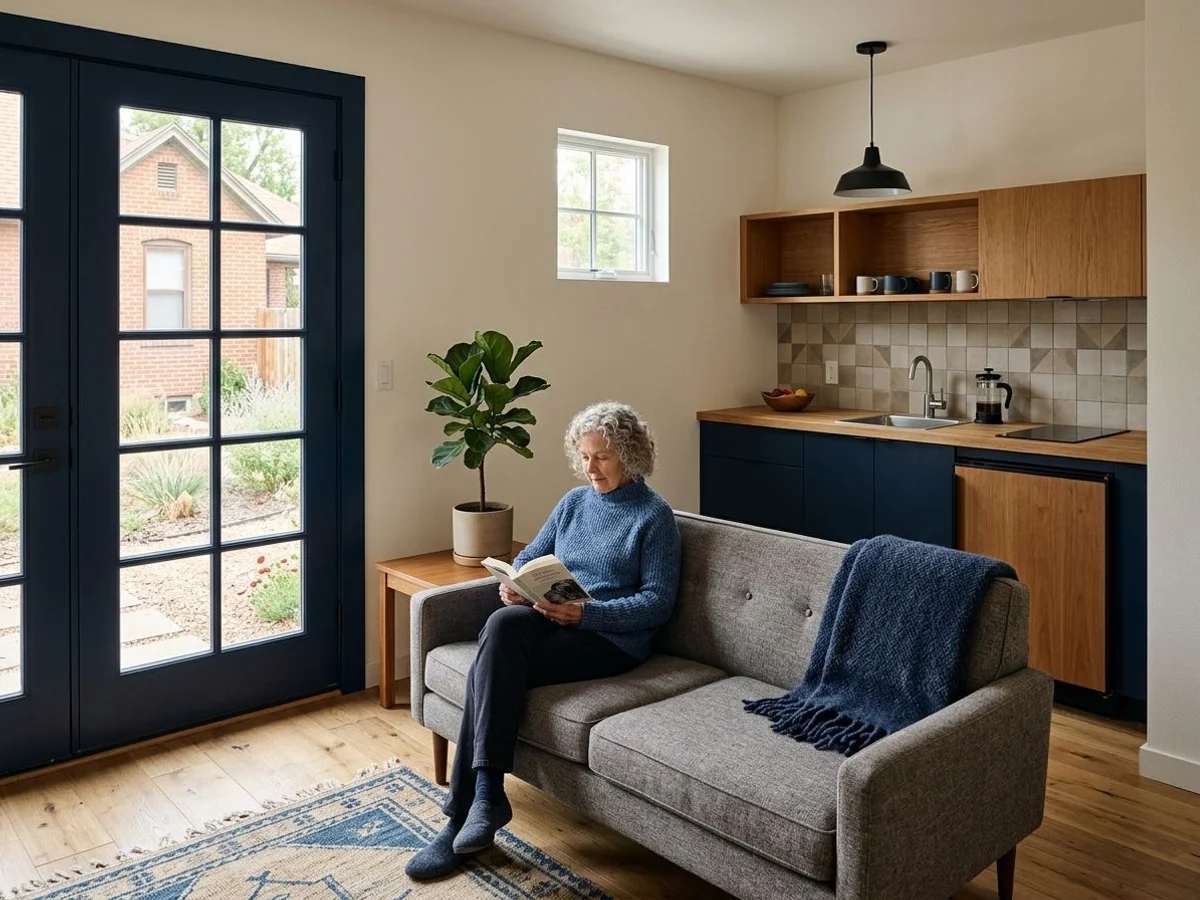
We also see them add massive property value and give you a place for aging parents or returning adult kids.
These spaces can even serve as a short-term-rental income source where local rules allow.
Current market data shows just how profitable these units can be.
Our research indicates that the average rent for a standard one-bedroom apartment in Arvada reached $1,670 per month as of June 2026.
Building a backyard unit allows you to capture that premium neighborhood rent without buying a whole new property.
We design around your specific goal so the layout, soundproofing, and finishes perfectly match your intended use.
Here is a quick look at how different goals shape the build:
| Your Primary Goal | Recommended Design Focus | Financial Benefit |
|---|---|---|
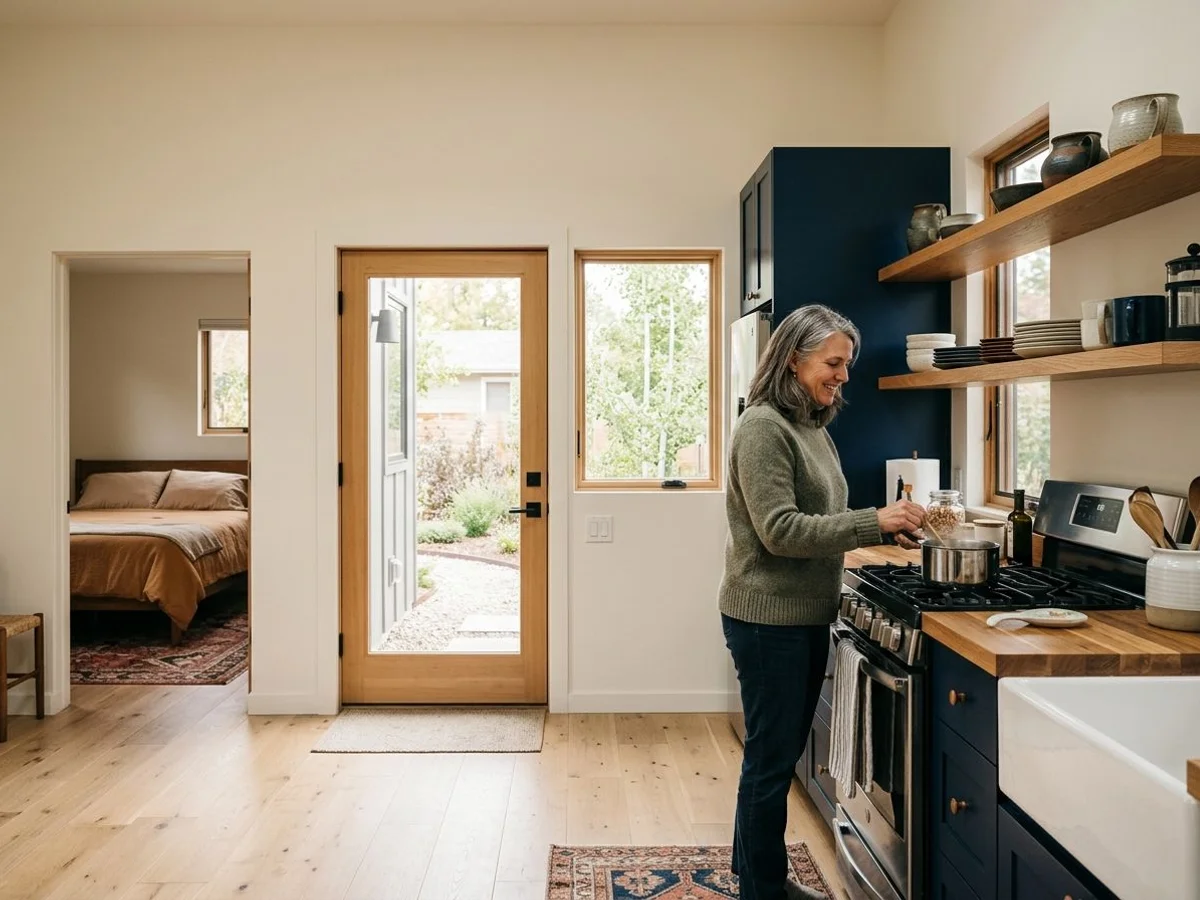
| Long-Term Rental | Durable finishes, separate laundry, sub-metered electricity | Steady $1,670+ monthly income to offset your mortgage |
| Aging Parents | Zero-step entries, wider doorways, accessible bathrooms | Avoids $4,000+ monthly assisted living facility costs |
| Short-Term Rental | Premium aesthetics, open layouts, easy cleaning surfaces | High nightly rates and fast equity growth |
What “turnkey” actually means here
Turnkey construction means you never have to manage multiple contractors or decode city building codes.
We provide a comprehensive package that covers every single phase of the job.
The process includes full permitting through the City of Arvada Building Division or Jefferson County Community Development.
Our ground-up construction process includes:
- Design & Engineering: Full architectural design with 3D renderings and a structural engineering stamp.
- Foundation & Framing: Concrete footings, slab-on-grade or crawlspace foundations, and complete structural framing.
- Systems & Finishes: Roofing, MEP (mechanical, electrical, plumbing), and all interior finishes.
- Utility Coordination: Managing the necessary utility connections and water tap compliance.
Cost planning includes coordinating the tricky details, like Metro Water Recovery System Development Charges, which must be cleared before the city issues a Certificate of Occupancy.
Arvada’s updated 2024 Building Fee Schedule dictates these permit costs.
We wrap up the project with final inspections and a clean certificate of occupancy.
You get one contract, one project manager, and one clear timeline.