Garage Conversion and Attic Conversion in Arvada: Add Space Without Adding On
Are you feeling a little squeezed in your current home?
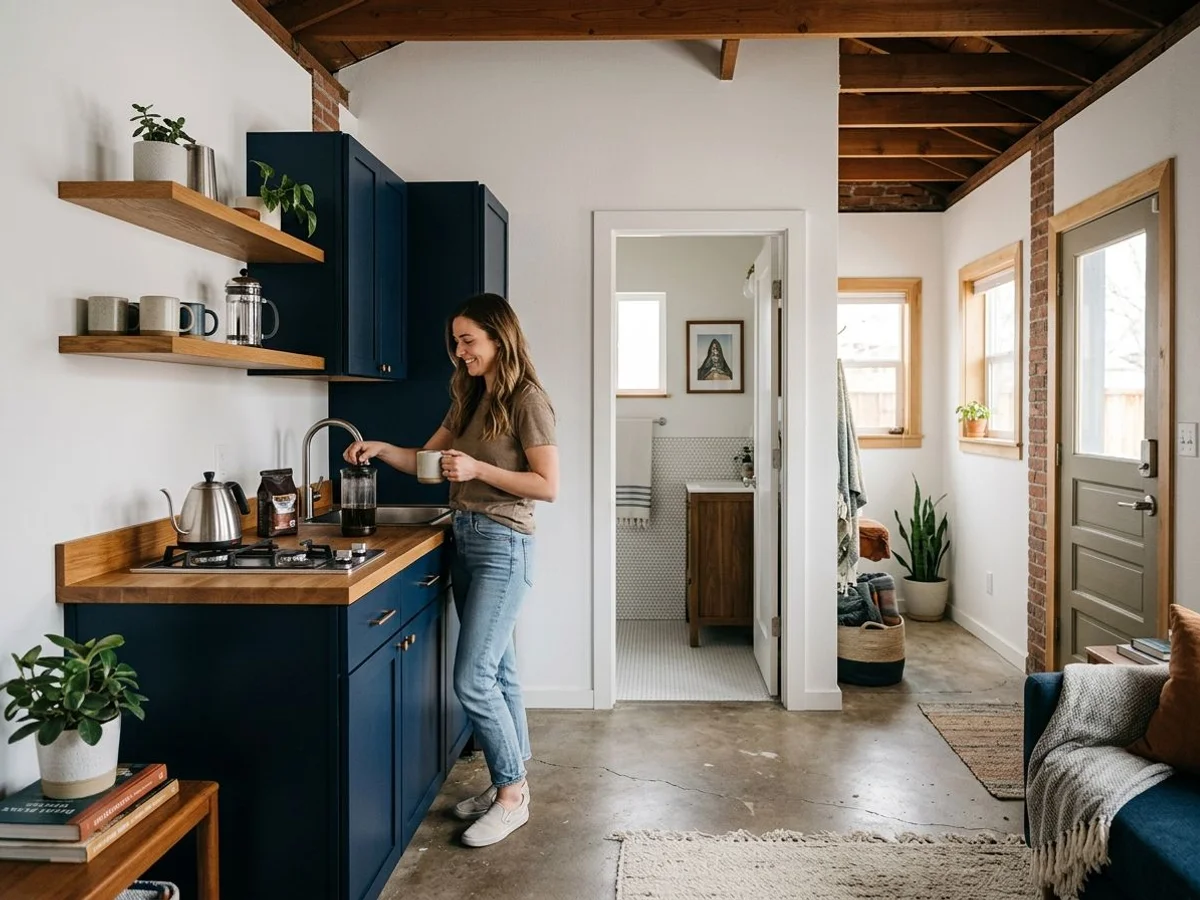
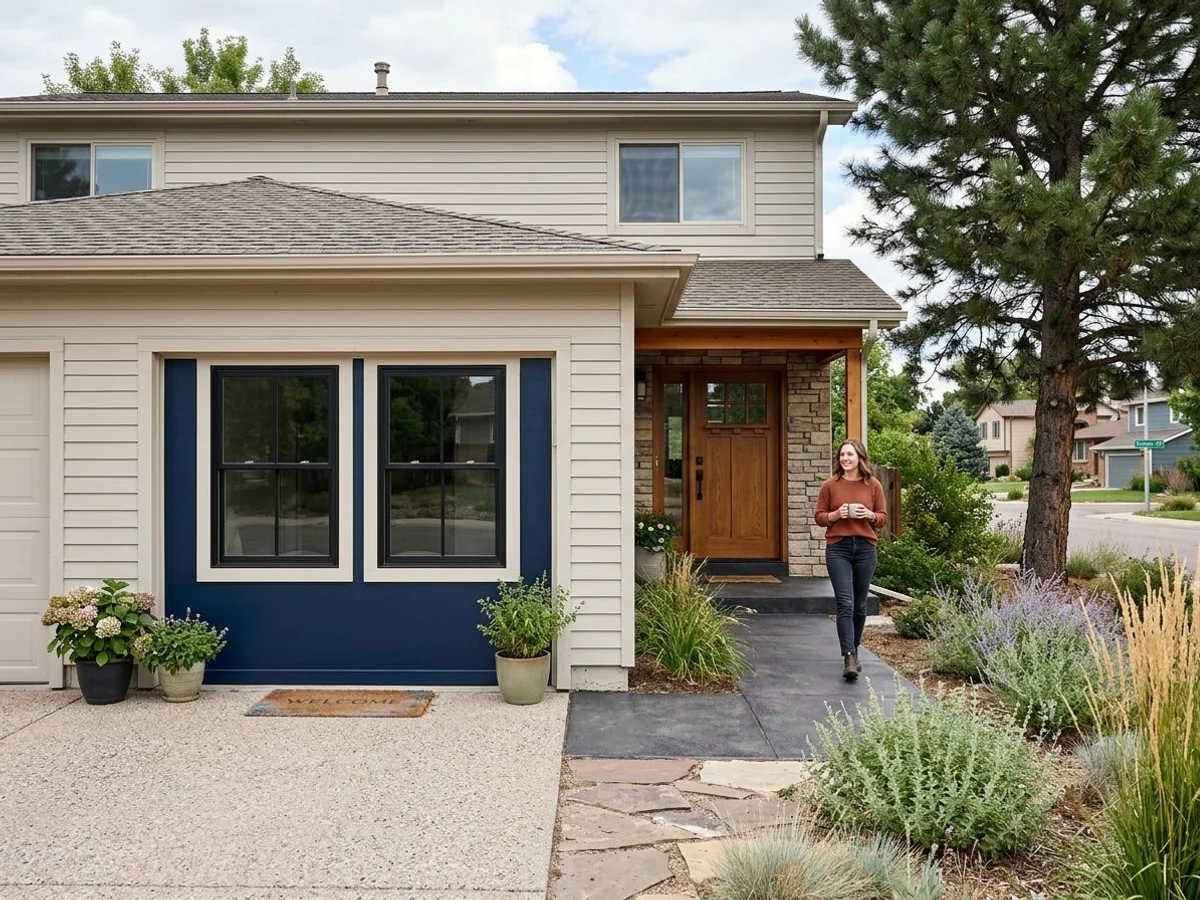
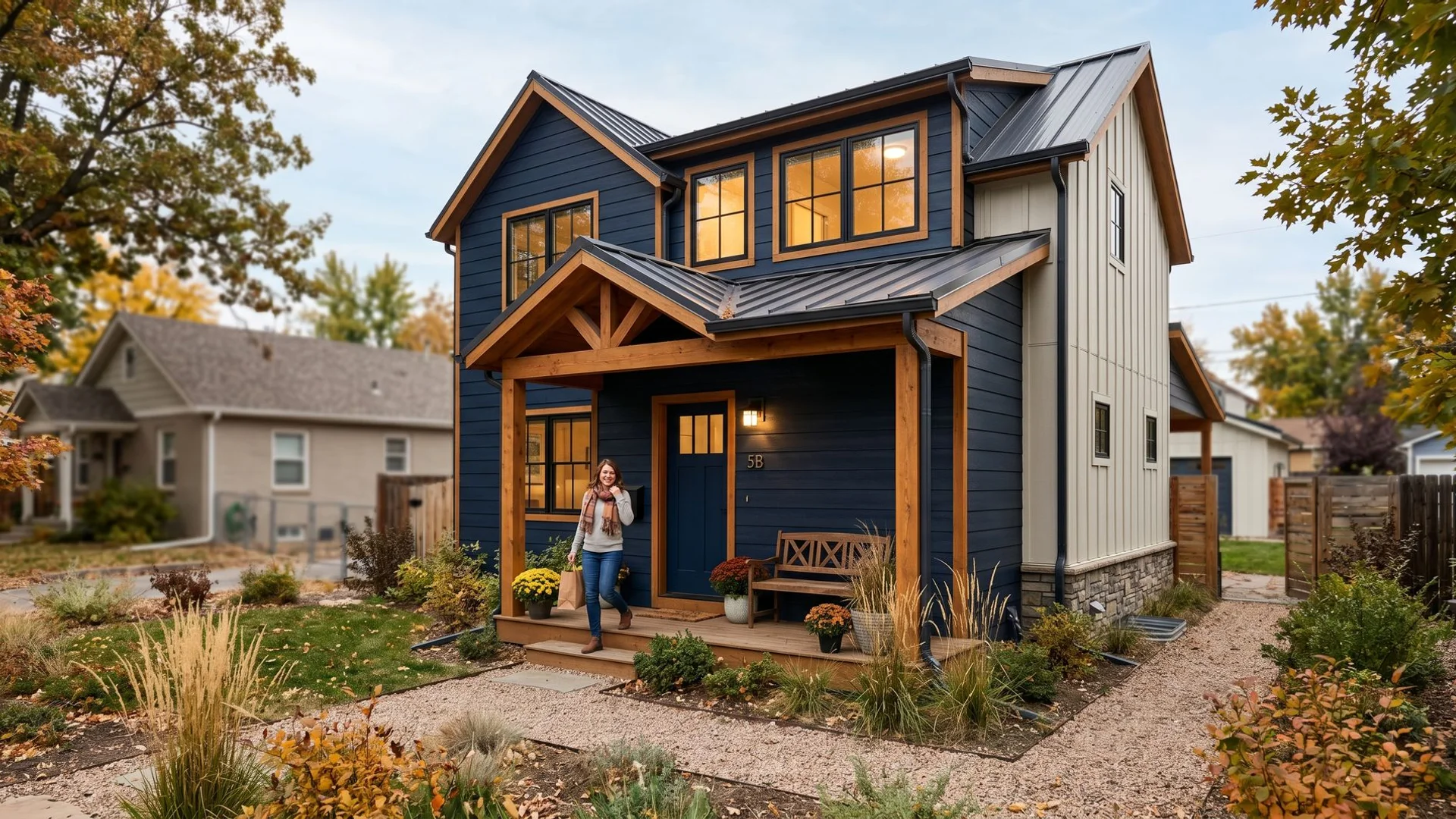
We know exactly how frustrating it gets when your family outgrows your floor plan, but you love your neighborhood too much to move. Finding extra room does not have to mean a massive, yard-destroying addition. A garage or attic conversion adds beautiful, habitable space at a fraction of the cost of a true addition.
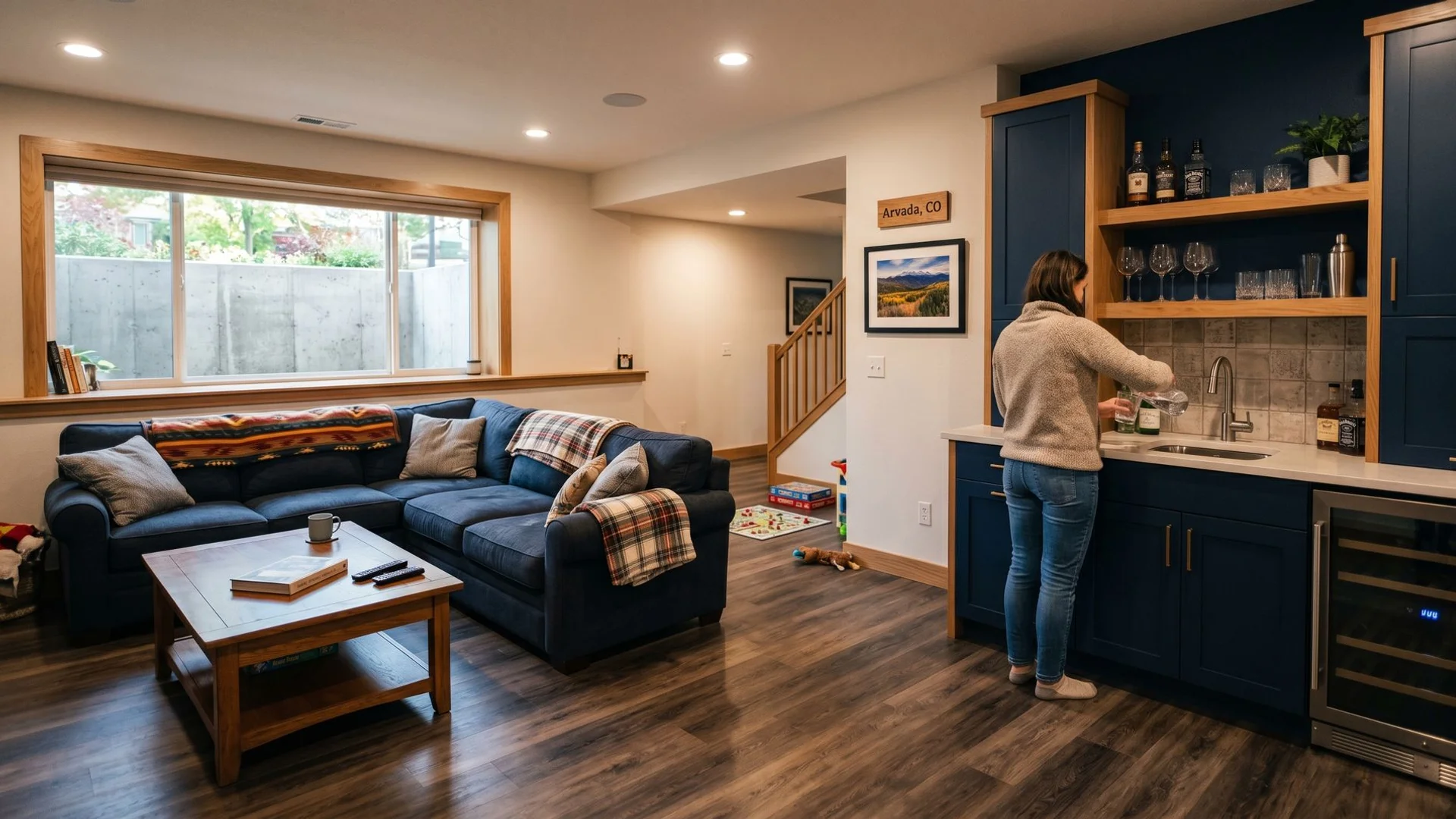
This approach saves you money because the foundation, roof, and exterior walls already exist. Our team at Arvada Remodeling Pros has helped homeowners throughout Greater Denver turn dusty storage areas into stunning living spaces. Typical garage conversions in Arvada run $25,000 to $70,000, depending on the finishes and scope of the project.
An addition covering the same square footage would easily cost two to three times more. We bring garages and attics completely up to residential code, from IECC energy compliance to minimum ceiling height standards. Let’s walk through the code requirements and structural details to turn your existing footprint into legal, financeable, and insurable square footage.
The code points most DIY conversions miss
A garage only becomes official habitable space when it meets strict residential code requirements. The City of Arvada inspects every phase of the project to ensure safety and compliance. We see many do-it-yourself projects fail simply because homeowners misunderstand the local insulation rules.
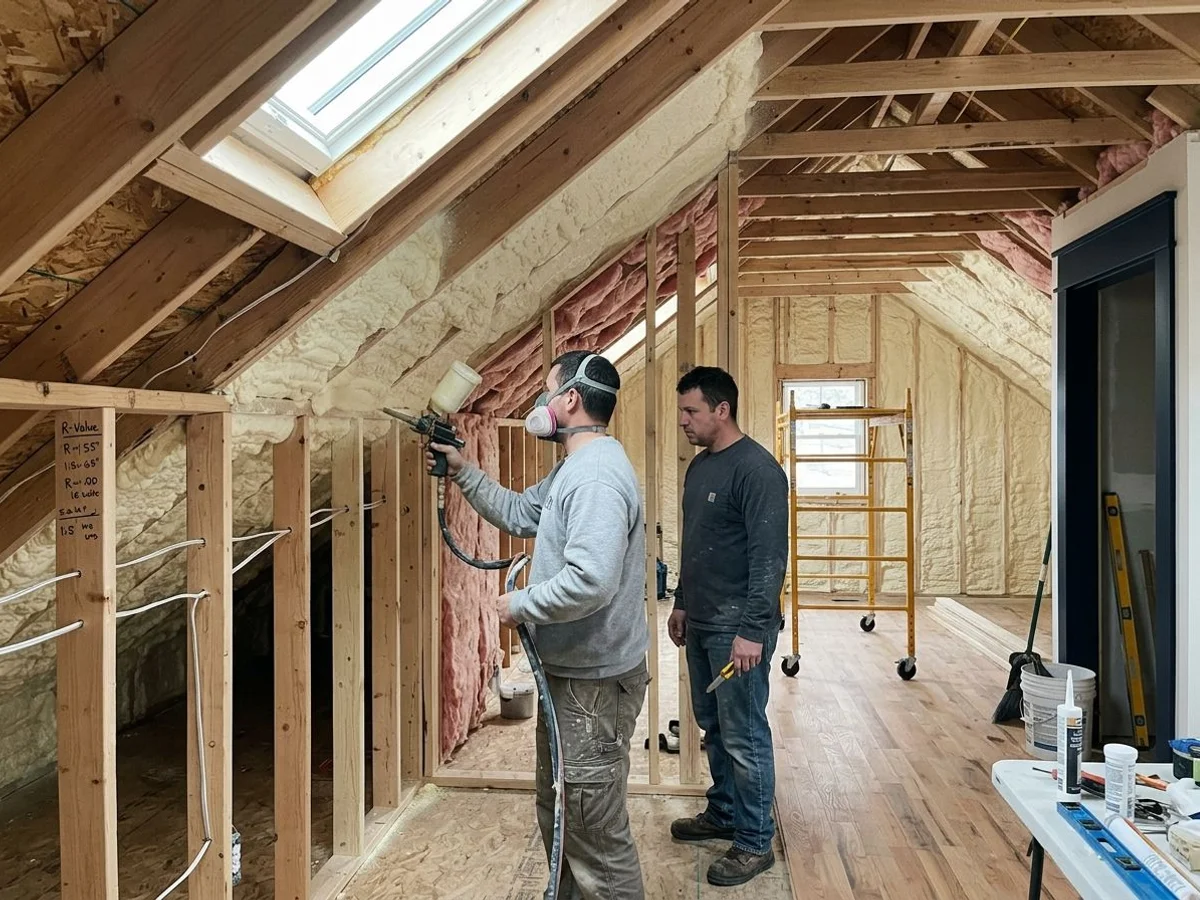
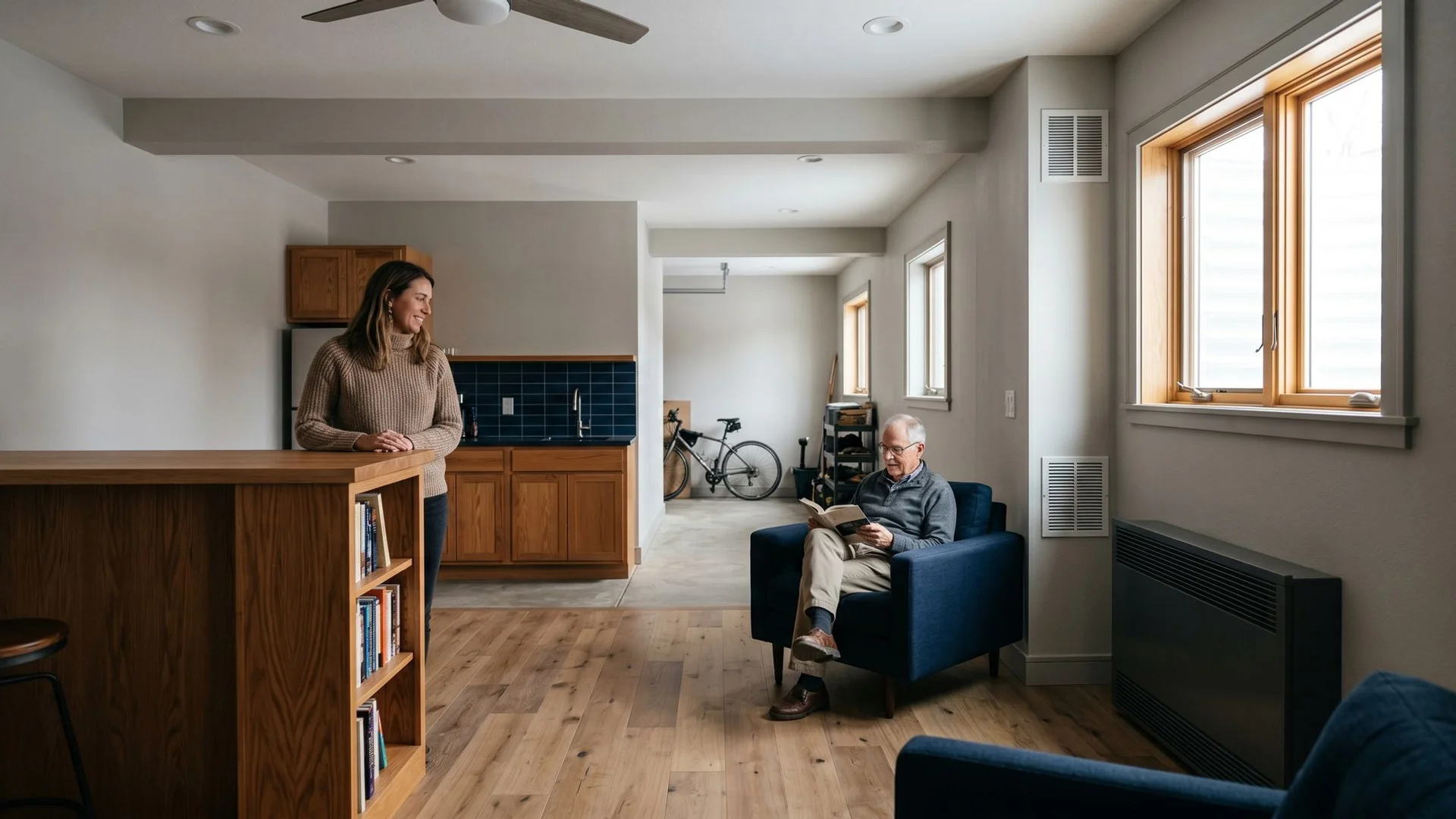
Current Colorado building codes typically require R-21 insulation for exterior walls and R-49 for ceilings. Skipping a proper vapor barrier or a continuous insulation strategy for the concrete slab means you end up with a freezing, unfinanceable room. Our process includes installing dedicated heat sources, like a high-efficiency Mitsubishi Hyper-Heating mini-split, to keep you warm during cold Denver winters.
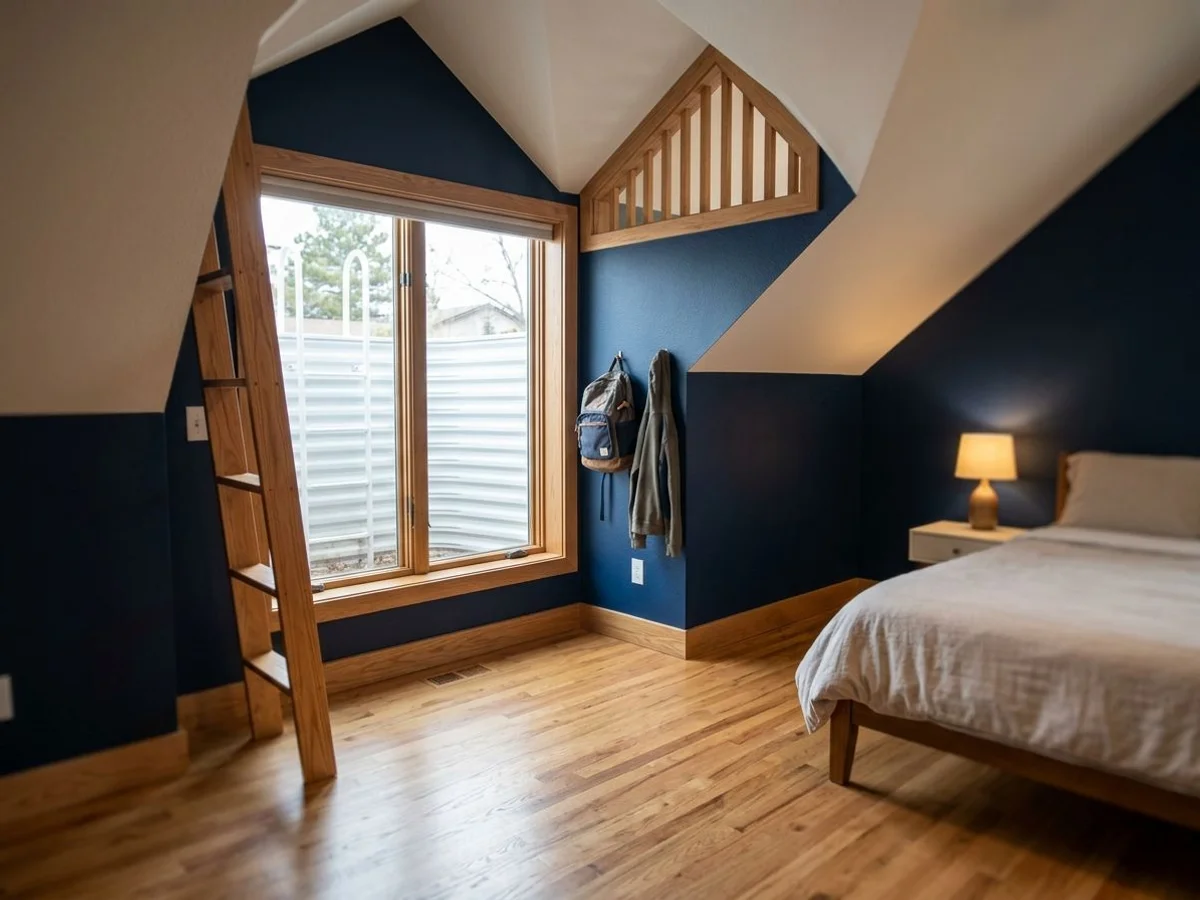
Bedroom conversions also trigger strict fire safety regulations. You must install an egress window with a minimum clear opening of 5.7 square feet and a sill height no higher than 44 inches from the floor. We make sure every single box is checked correctly the first time.
Here are the most critical code requirements for a legal conversion:
- Insulation Minimums: R-21 exterior walls and R-49 ceilings.
- Egress Standards: Bedroom windows must allow easy escape and rescue.
- Climate Control: A dedicated HVAC extension or mini-split is mandatory.
- Ceiling Heights: Rooms must meet the standard 7-foot minimum clearance rule.
Attic conversions that are actually usable
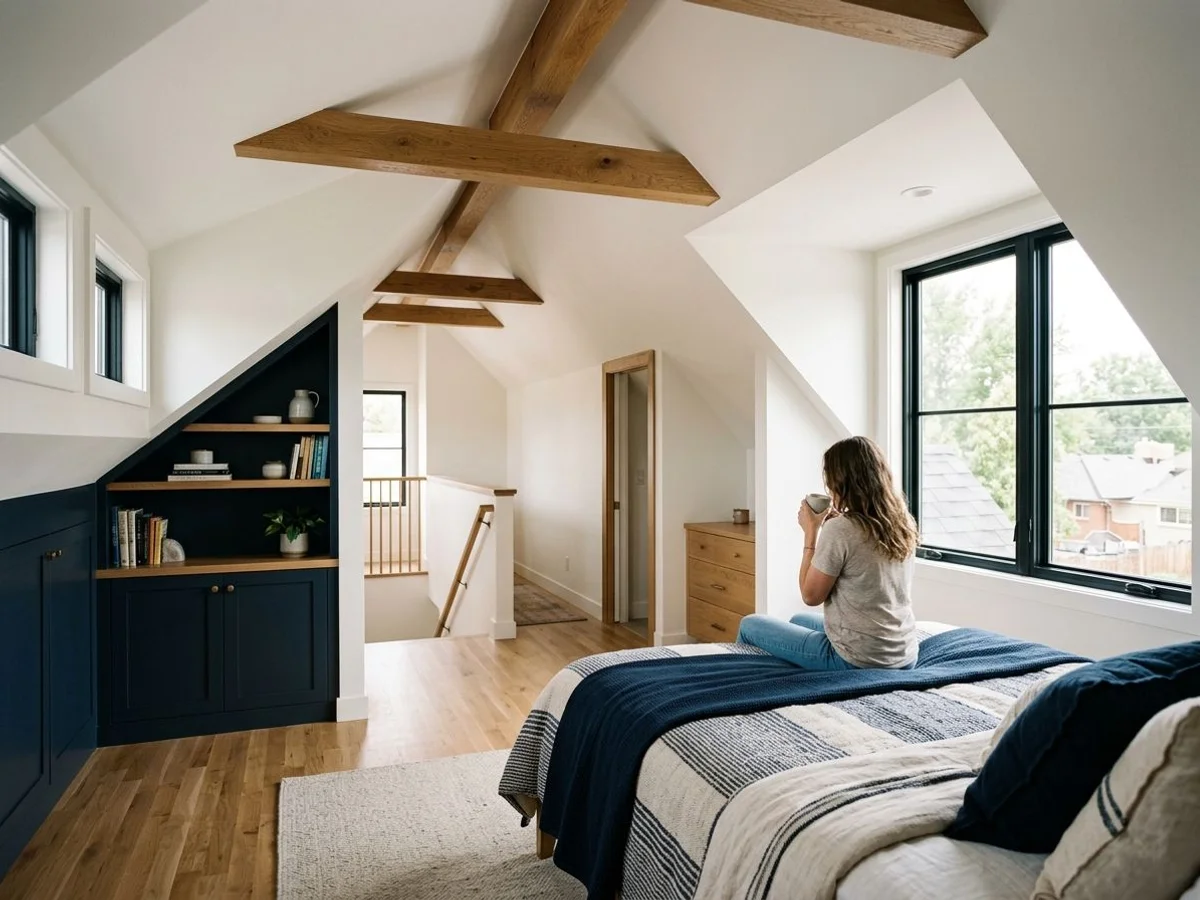
Attic conversions can absolutely work, but only if the existing rafters, headroom, and staircase access make architectural sense. We run a comprehensive structural assessment of your existing rafters before hammering a single nail. Many older Arvada homes have 2x6 framing that requires sistering with 2x8 joists to support the new weight of flooring and furniture.
Standard attics are built to hold about 10 pounds per square foot of dead weight. A legal bedroom or office requires a live load capacity of 30 to 40 pounds per square foot. Our structural upgrades ensure your new floor feels completely solid and safe.
The available ceiling height is another major factor for compliance. Building codes enforce the “Rule of 7s,” meaning at least half of your usable floor space must have a ceiling height of at least seven feet. We measure your buildable envelope carefully, accounting for knee walls and the final finished floor height.
Let’s compare the structural differences between raw storage space and a finished room:
| Structural Element | Raw Storage Attic | Finished Living Space |
|---|---|---|
| Floor Load Capacity | 10 to 20 lbs per sq. ft. | 30 to 40 lbs per sq. ft. |
| Typical Framing | 2x4 or 2x6 joists | Sistered 2x8 joists |
| Ceiling Clearance | No minimum standard | 50% must be 7+ feet high |
| Access Method | Pull-down ladder | Permanent, code-compliant stairs |
If the math does not align, dormers can often make the project pencil out beautifully. Adding a shed dormer or gable dormer opens up the space and brings in gorgeous natural light. We promise never to sell you an attic conversion that ends up feeling cramped, cold, or non-compliant.
When a conversion makes more sense than an addition
Deciding between a conversion and a brand-new addition usually comes down to budget and your current property layout. If you have a real two-car garage you do not use for vehicles, or an attic with workable rafters, transforming it is incredibly efficient. Our clients are consistently thrilled to learn that a conversion typically costs less than half of a comparable addition.
Building a new home addition in the Greater Denver area currently averages around $350 per square foot. You avoid paying for costly new foundation pours, complex exterior framing, and entirely new roofing structures. We simply focus your budget on finishing and upgrading what is already standing.
Time is another huge advantage for this approach. Ground-up additions can drag on for six to eight months, turning your yard into a muddy construction zone. Our conversion projects are usually completed in just a few weeks with minimal disruption to your daily life.
Let’s summarize the top reasons to choose a conversion:
- Cost Savings: Skip the massive foundation and roof expenses entirely.
- Faster Timeline: Complete the project in a few weeks, not several months.
- Property Tax Impact: See much lower tax increases compared to expanding your home’s footprint.
- Yard Preservation: Keep your outdoor space and landscaping perfectly intact.
You also gain a fantastic return on investment. Recent real estate data shows that adding functional square footage through a conversion yields an impressive 70% return when you decide to sell. We are ready to help you maximize the full potential of your property. Reach out to our team today to schedule your complimentary space assessment and get a precise quote for your conversion.