case-studies
Pop-Top Project Spotlight: Adding a Second Story to an Arvada Ranch
A look at a recent Arvada ranch-home pop-top — two new bedrooms and a master suite added without losing the backyard, from structural engineering to final finish.
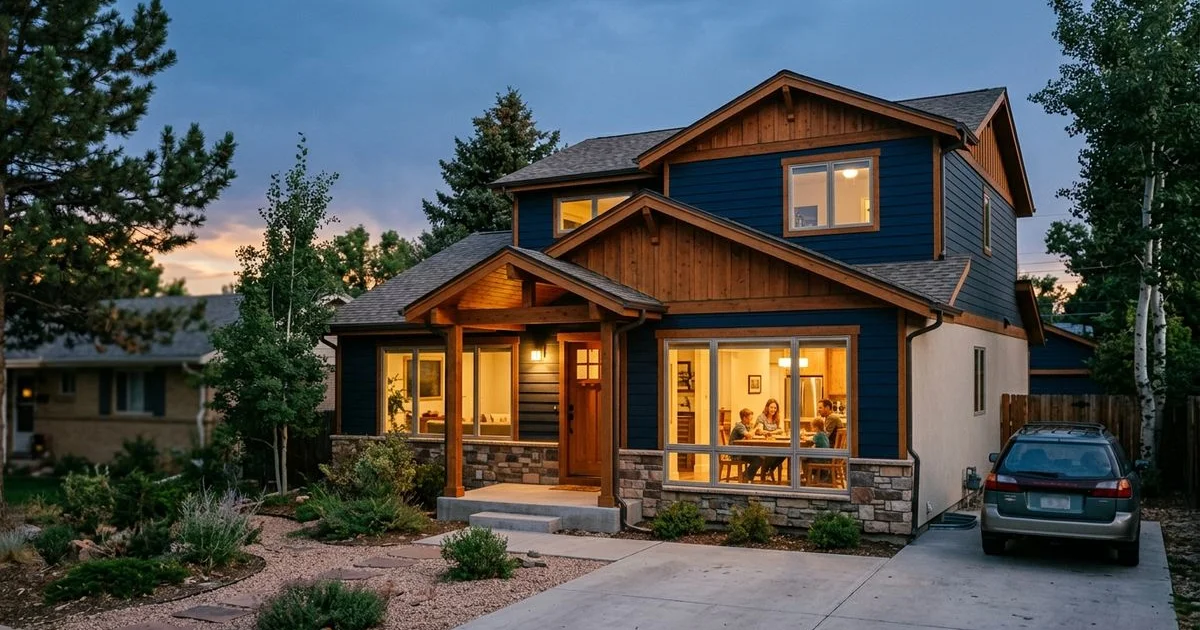
When the Hendersons called us in late 2025, the math felt impossible: they loved their north Arvada neighborhood, the kids were thriving at the local school, and the equity in their 1972 ranch was finally somewhere they could put to work. The problem was that the house had three bedrooms, one bathroom, and a 6,800 square foot lot already pushed against side-yard setbacks. Building out wasn’t an option. Moving was an option neither of them wanted.
What they wanted was a real primary suite, two more bedrooms upstairs for the kids, and a second bathroom. What they didn’t want was the same generic-looking pop-top that every other ranch in the Denver metro seemed to be sprouting — a stacked box that ignored the original roofline and screamed “addition” from the curb.
This is the project we just wrapped.
The structural read came first
Before we sketched a single elevation, we sent a structural engineer to the house. On a 1972 ranch, the load path is rarely a slam-dunk — the original framing was sized for a ranch roof, not a second floor and a snow load. The engineer evaluated the existing foundation (a poured stem wall with a perimeter footing), the load-bearing walls, and the basement floor framing. The verdict: the foundation could carry it, but two interior load-bearing walls needed reinforcement, and we’d need a structural ridge beam (engineered LVL, 14” deep) running the length of the new second floor.
The structural plan got stamped, submitted to the City of Arvada with our pop-top addition permit application, and approved without revision. That clean permit pull is itself a function of doing the engineering work first instead of trying to rough it in later — Arvada Building Division knows what they’re looking for, and a complete submittal moves fast.
The number most homeowners miss
Pop-tops live or die on the riskiest two-week window: roof tear-off to dry-in. Schedule it wrong (or get a contractor who can’t sequence the crane and the framers) and the home takes on weather damage that costs more than the rest of the project to fix.
The build sequence
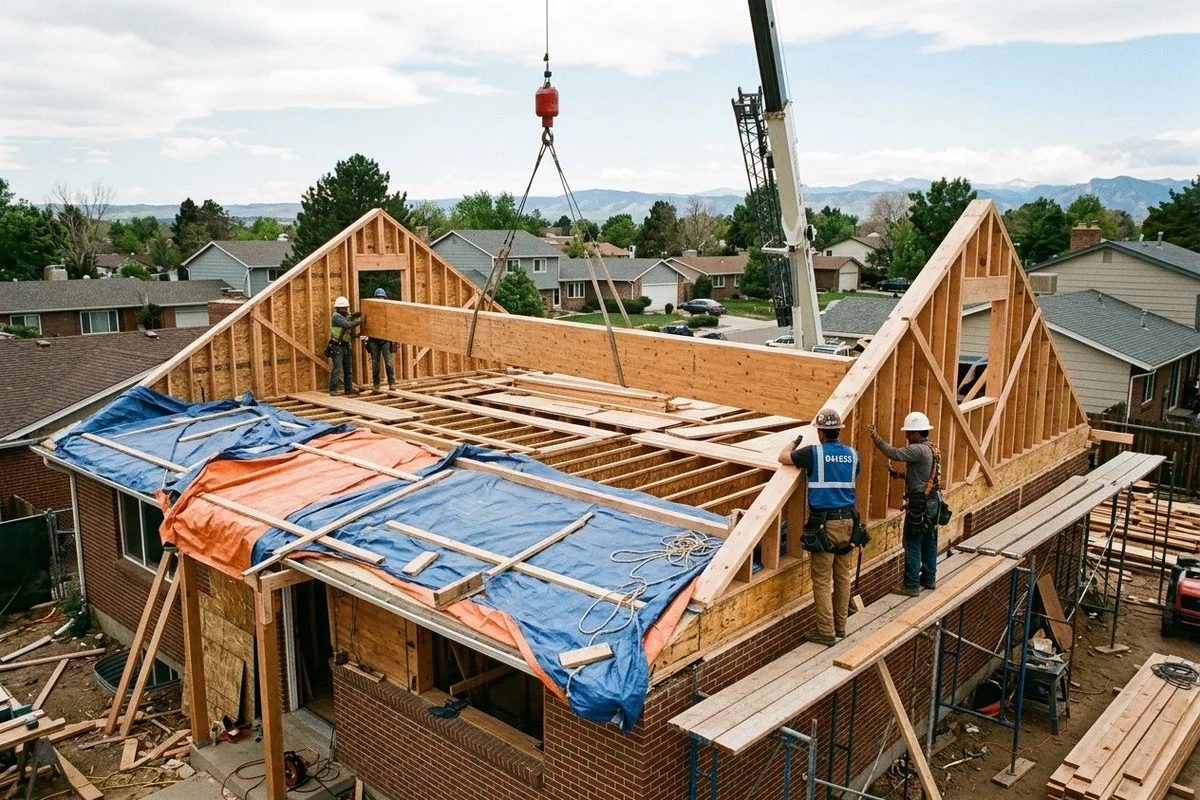
We tore the original roof off on a clear Tuesday in March 2026 with framers, sheathing material, and the crane all staged. The temporary roof system went up Tuesday evening — a tarp-and-blocking solution we’ve used on every Front Range pop-top — and the new second-floor deck framing started Wednesday morning. By the following Tuesday, the new ridge beam was up, the rafters were on, and the home was dry under new sheathing and underlayment.
Total time from roof off to dry-in: 11 days. The Hendersons stayed in the house through it (and we kept the downstairs kitchen and a bath operational with HVAC), with weekly walkthroughs and a same-day text line for the project manager.
After dry-in, the rest moved on a predictable curve: rough framing of the new staircase, MEP rough-in for the new bathroom and laundry, insulation, drywall, finish carpentry, trim, paint, flooring, and the new exterior siding tied into the original ranch facade.
What got built
The finished pop-top added 1,180 square feet upstairs, broken down as:
| Space | Approx. Square Feet | Notes |
|---|---|---|
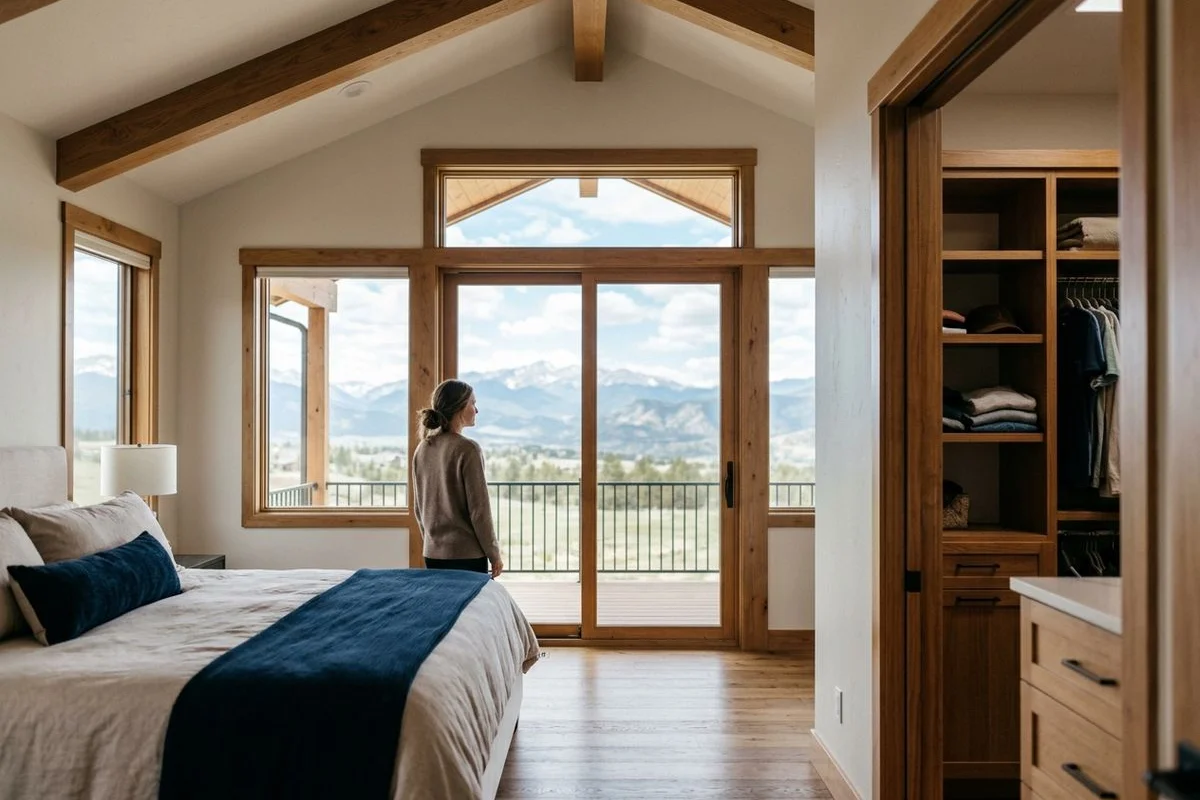
| Primary suite | 380 | Vaulted ceiling, mountain-facing window |
| Walk-in closet | 90 | Custom built-ins, soft-close drawers |
| Primary bath | 130 | Curbless walk-in shower, double vanity, heated tile |
| Bedrooms (2) | 280 | Built-in desks, oversized closets |
| Hall bath | 70 | Tub/shower combo with subway tile |
| Laundry | 60 | Stacked washer/dryer with storage |
| Hallway and stair landing | 170 | Open rail, oak treads |
The exterior tie-in was the design step that made the most difference. We extended the original ranch roofline into a single hip-and-gable composition that reads as one home from the street. The new second-floor siding and trim matched the original, with proportions adjusted so the windows line up vertically rather than scattering across the facade. From across the street, you can’t tell the pop-top was added in 2026.
The numbers
Total project came in at $312,000 (contract was $308,000; we ran a single $4,000 change order for an upgraded window package the Hendersons asked for at the framing stage). Timeline was 6 months from contract signing to certificate of occupancy — 2 months for design, permits, and engineering, then 4 months on site.
The Hendersons added a real primary suite, two more bedrooms, and a second bath without losing a square foot of backyard. The home appraised at $185,000 more than the pre-project value. They stayed in their school district and their neighborhood, and the dog never had to move.
For anyone weighing a similar project, the honest comparison isn’t pop-top versus “do nothing” — it’s pop-top versus moving up in this Denver market. We’re happy to help you run those numbers at a free consultation.
Thinking about a pop-top? — Talk to our team about whether your ranch is a candidate, then book a free in-home consultation to walk the structural read in person.